My story of language learning

Some people collect stamps or postcards. I collect languages, or at least the keys to them. A few of them I use every day, some I read for pleasure, and others I have only tasted for a term or two. Yet each of them has changed the way I read, think and work.
This is the story of how I came to love languages: learning them, speaking them and, eventually, working with them. As you will see, it is also a story about how I keep all those resources in order.
English: from a frightened pupil to a bookworm
My very first English words came from cartoons at nursery school. The real beginning, however, was my first day at collège, the French equivalent of lower secondary school. We were handed our textbooks and asked to choose our first foreign language: English or German? I hesitated for a while before picking English, mainly because we had already learnt a few sentences at primary school.
That choice led to four years with a teacher I never quite got along with. As a result, I dreaded his lessons and froze every time I had to open my mouth.
Things only took off during my lycée years, when I started reading on my own: first magazines in English, then simplified or bilingual books, and finally novels. The first one I ever read cover to cover in English was Carrie by Stephen King. I was thirteen and, it seems, already a budding goth.
Spanish: the language I had to fight for
Did you know I actually had to fight for the right to learn Spanish? Because I had skipped three years at school, the teacher did not want “someone like me” in her class. Perhaps she had struggled with differentiated teaching in the past, or perhaps she held one of the stereotypes that still conflate giftedness with some forms of autism. Either way, my form tutor’s advice was simple: turn up and say nothing. And it worked. A couple of years later, I could understand Spanish with ease, and I absolutely adored those classes.
I went on to study it up to my first year at university. Later, as an adult, I returned to it through evening classes at the Centro Español Lorca in Glasgow.
I love this language dearly, even if the films we watched in class were often rather grim. At school, we had begged our first teacher for an Almodóvar film, only to end up studying Carlos Saura’s Cría cuervos. Years later, in my adult classes, the list included Mar adentro, El laberinto del fauno and ¡Ay, Carmela!
Above all, a school trip to Madrid and Toledo remains one of the best experiences of my life, especially standing in front of a painting by El Greco and visiting the royal tombs at El Escorial.
Dead languages, living history
Some of my favourite languages no longer have any native speakers. What draws me to them is the feeling of spending time with poets, politicians and historical figures who died centuries ago.
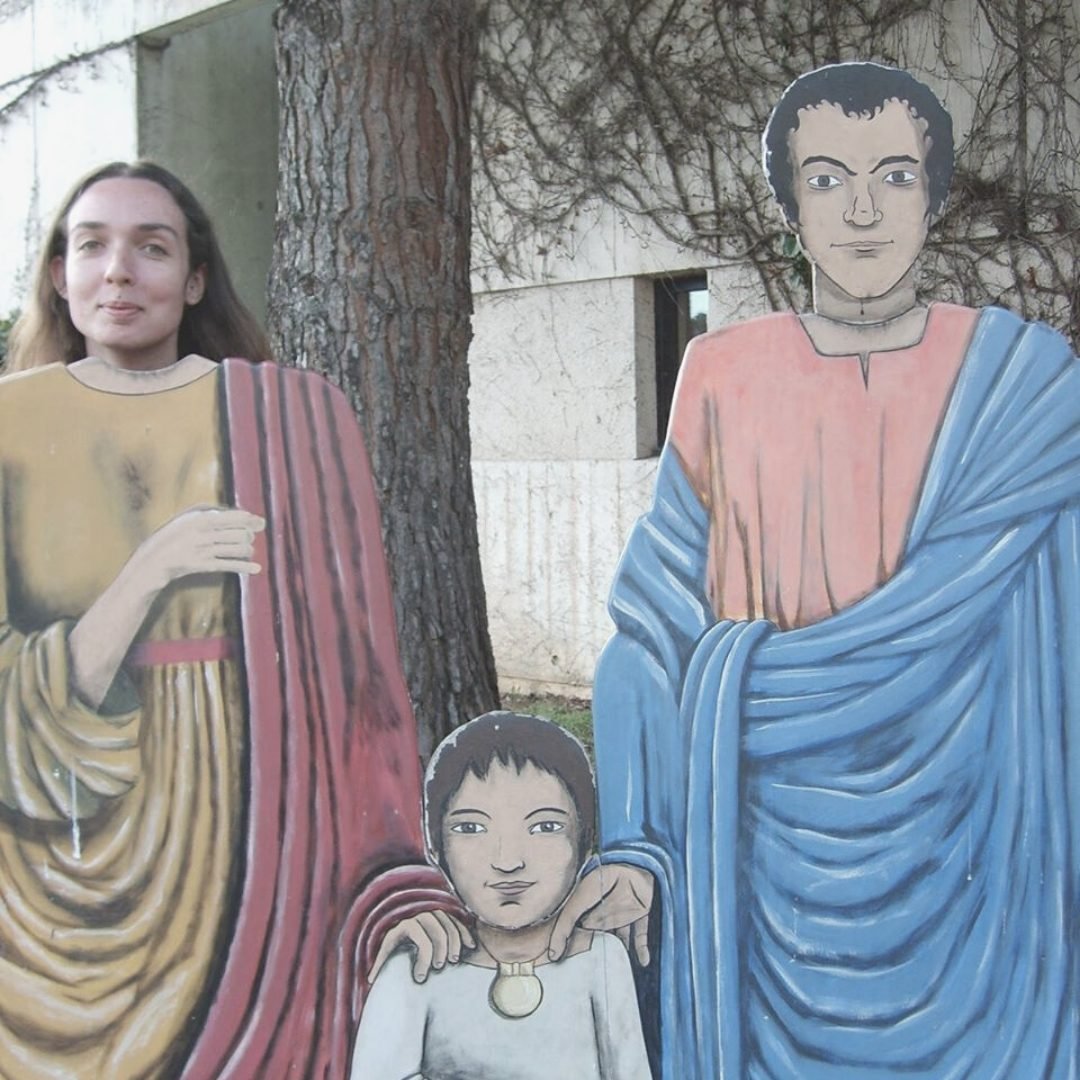
Latin in a Roman city
I started Latin around the same time as Spanish. Although it was hard work, my teachers often praised my ability to grasp the mindset and customs of the period.
Growing up in Nice certainly helped: the city stands on Roman foundations, and I often visited the archaeological museum in Cimiez, built on the site of the ancient town of Cemenelum. Working through our reading list was therefore a real pleasure, even if I must admit I nodded off more than once over Caesar’s Gallic War.
Ancient Greek and Old French
I also had a taste of Ancient Greek, and I still regret not taking it further. I have even saved an online course that would take me through the basics, but something always seems to pull me away.
Later came a term of Old French, during which I read the story of Perceval in a bilingual edition of Chrétien de Troyes’ Li Contes del Graal. Perceval has been one of my favourite characters since childhood. First, there was Paul Geoffrey’s brilliant performance in John Boorman’s Excalibur. Then, over the past few years, like many French people of my generation, I have often watched an episode or two of Kaamelott on nights when I cannot fall asleep.
Ancient Egyptian at the British Museum
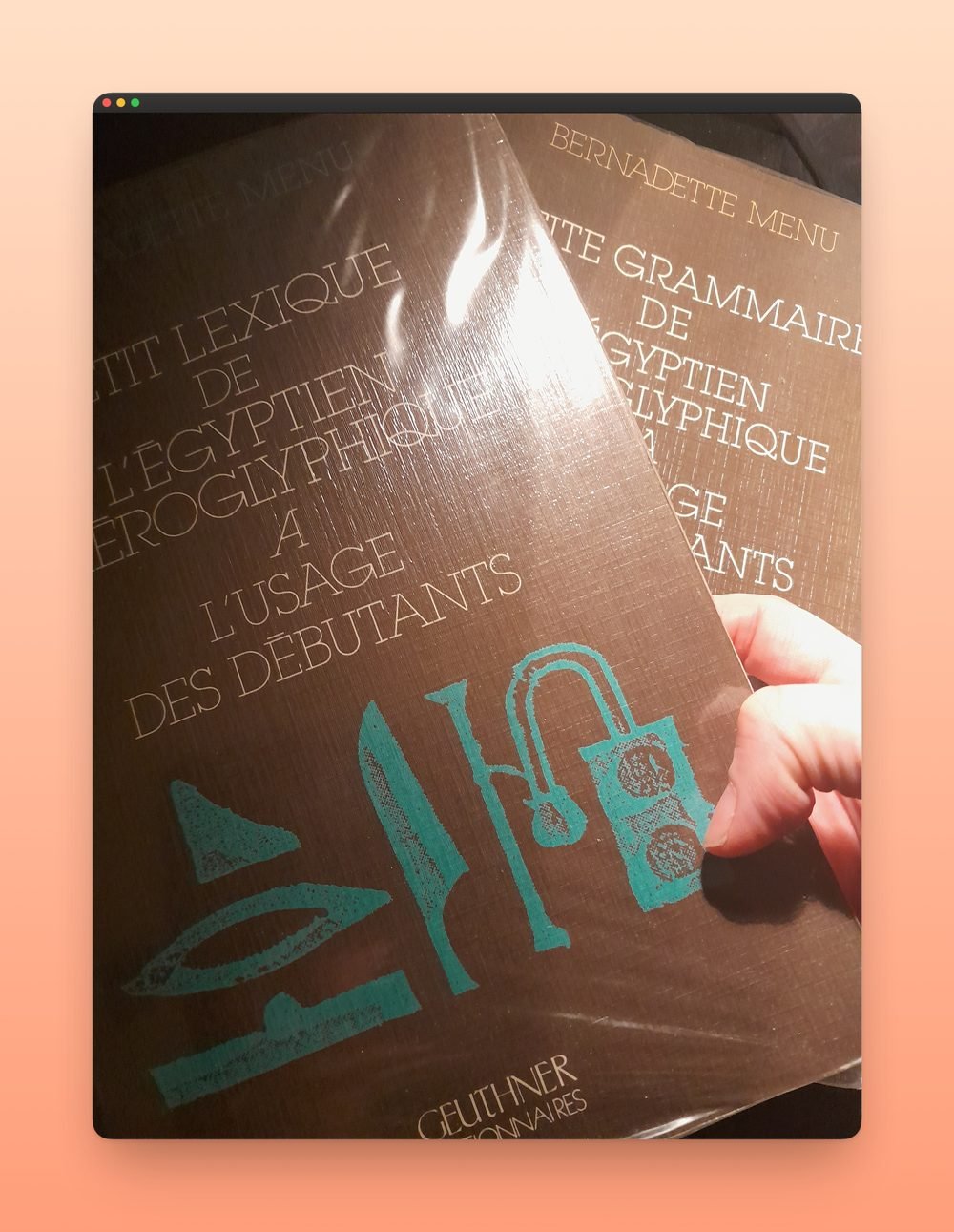
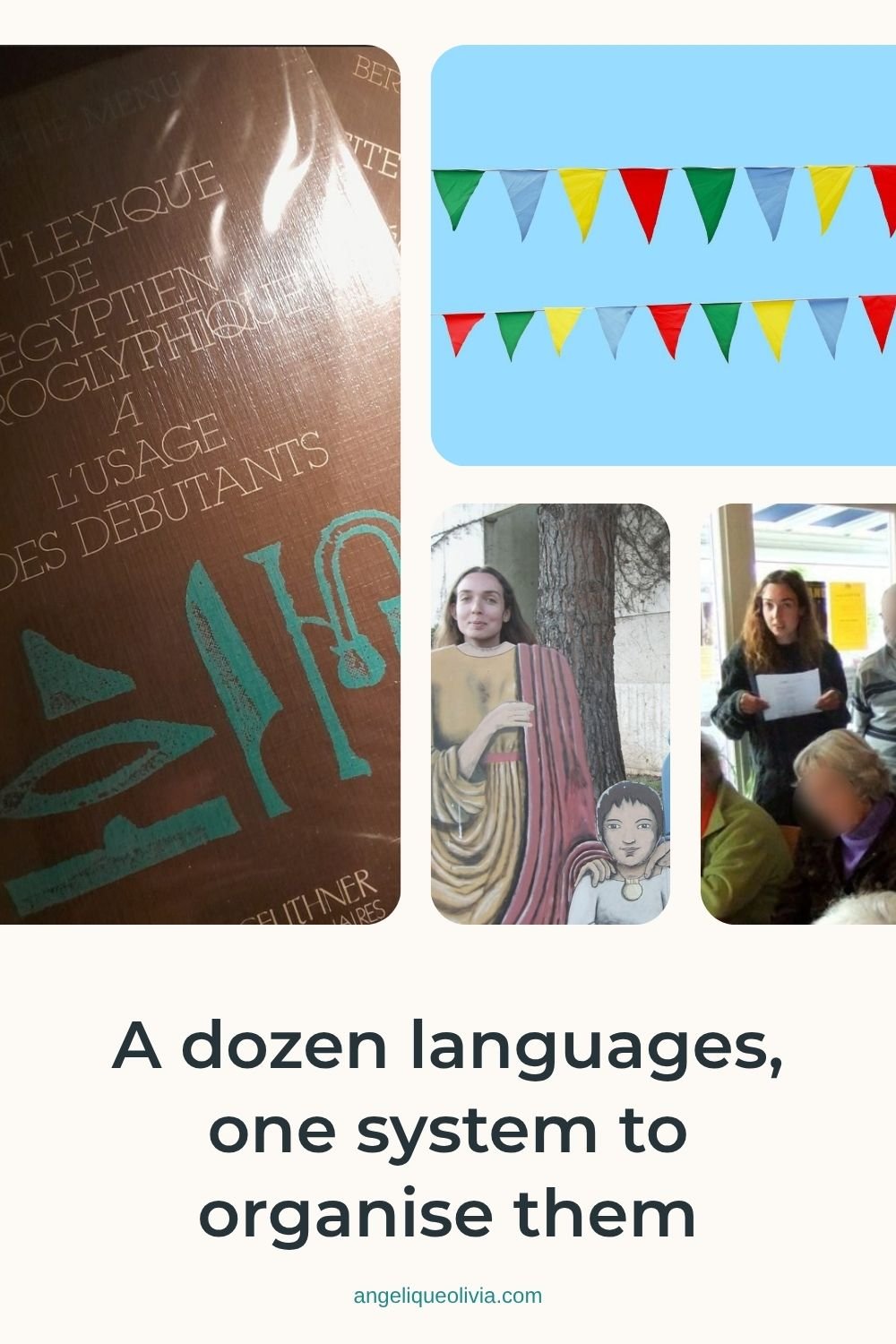
And did I mention the year of evening classes in Ancient Egyptian? So when I first visited the British Museum, around 2007, I was stunned to find that I could still read the cartouches.
From Shetland to Norway
A dialect that pointed north
In 2001, I lived in Shetland and picked up the local dialect, which is full of words of Norse origin. This gave me one more reason to study Norwegian, since I was already planning to move to Norway.
Scots in Glasgow
In the meantime, I moved to Glasgow, which proved a fascinating detour. There, I picked up a little Scots by reading old texts and museum leaflets. My one regret is never learning Gaelic. Once again, I loved seeing how the past shapes the present.
This same passion for the past led me to the Burrell Collection, where I ended up spending every Sunday, wandering from one work of art to the next.
Norwegian, from Fjaler to Bergen
Eventually, in 2010, I settled in Fjaler, on the west coast of Norway. Three years later, I passed the Bergenstesten, the advanced-level Norwegian test, with a high grade. What is more, Norwegian opened two more doors: I can now read Danish and understand spoken Swedish quite well.
Japanese and my beginner’s shelf
Japanese, a childhood dream
During my second year of lycée, I took a year of Japanese, roughly what is now the JLPT N5 level, which I am currently trying to reach again. I know it sounds cheesy, but it was fuelled by the anime we watched as children. Later, I went on to read many Japanese writers in translation (Nosaka, Kawabata and Yōko Ogawa are my favourites) and to watch a great deal of Asian cinema. To this day, travelling to Japan remains one of my dreams.
Short encounters: Romanian, Portuguese and Dutch
At school, I also started learning Romanian. Then, at university, I attended a few introductory courses in Portuguese and Dutch.
Learning today: German and Italian
More recently, I have started learning German and Italian, mostly on Duolingo. In addition, I love watching polyglots on YouTube, as there are so many inspiring people out there.
One of them is Lindie Botes. I have followed her for years, and it has been a pleasure to watch her channel evolve from purely language content to tips on design and on navigating life with ADHD.
How I keep my language resources organised
Of course, a dozen languages also means a dozen piles of resources: textbooks, vocabulary lists, novels, films, podcasts, apps and videos saved for later.
Revising Norwegian with AI
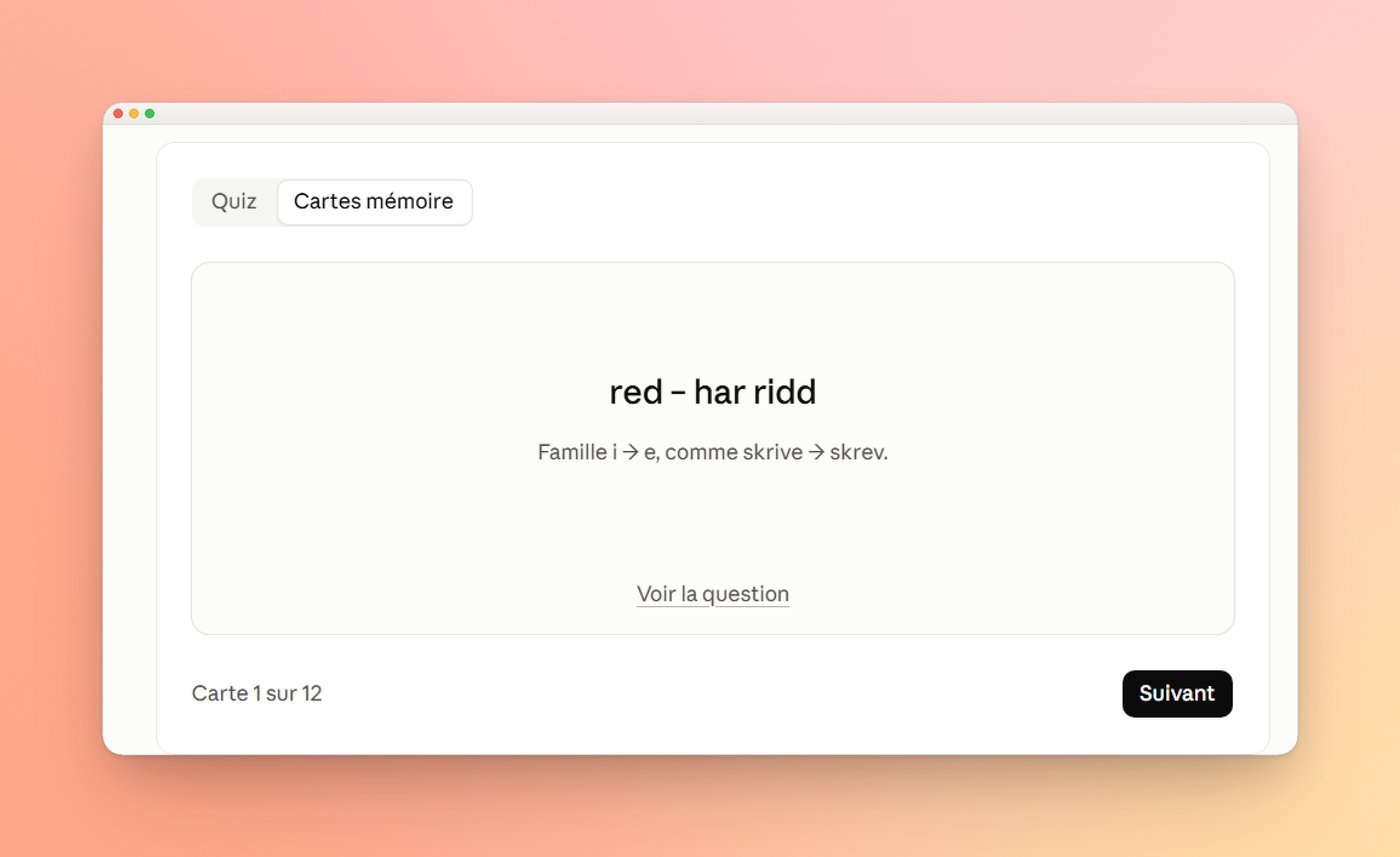
At the moment, for instance, I am revising Norwegian. I own a PDF with thematic vocabulary lists and questions, so I asked Claude to help me turn it into a revision course, complete with exercises, quizzes and grammar points.
Three times a week, I simply open Claude and answer questions, write sentences, read the grammar points whenever I make a mistake… and try to remember the past tense of å ri, “to ride”.
A multilingual second brain
All my other resources go into the Growth Hub of my personal Notion space. I love keeping track of my learning materials, and over the years I have built quite a multilingual second brain.
Would you like to do the same, but don’t know where to start?
That is exactly why I created The Index Room, a free Notion template that helps you gather your resources in one place, sort them into simple classes inspired by library classification, and review them every week. It works with a free Notion account, and it is just as useful for your language learning as for your reading list or your film notes.
From learner to translator
I studied translation for several years at university and also spent a year training as a public service interpreter. Although I never sat the final exam, that year confirmed what I already suspected: I prefer the written word. In the end, what I love most is being able to communicate with people from so many countries and cultures.
Today, I translate from English and Norwegian into French, mainly in arts, culture and publishing. So if you need a text to find its voice in French, take a look at my translation services.
I know many people speak far more languages than I do, and far better. Many of them travel all the time and feel at home in many more places. Still, the near-magical power to decipher texts has always been a passion of mine, and I am proud that I can now help others tell their stories and carry their message to new readers.
And you? Which language opened a door for you, or which one are you dreaming of learning next? Tell me on LinkedIn.

Angélique Olivia MoreauLinguist and translator based in Bergen, Norway — building bridges between languages, culture and the way we organise our lives.