From Spanish lessons to the Shetland Isles: my first move abroad
I have spent more than half my life reading, working and dreaming in languages other than French. Today, I live in Bergen, on the west coast of Norway, and I translate from English and Norwegian into French. From the outside, the path may look as if it had been mapped out in advance. It wasn’t.
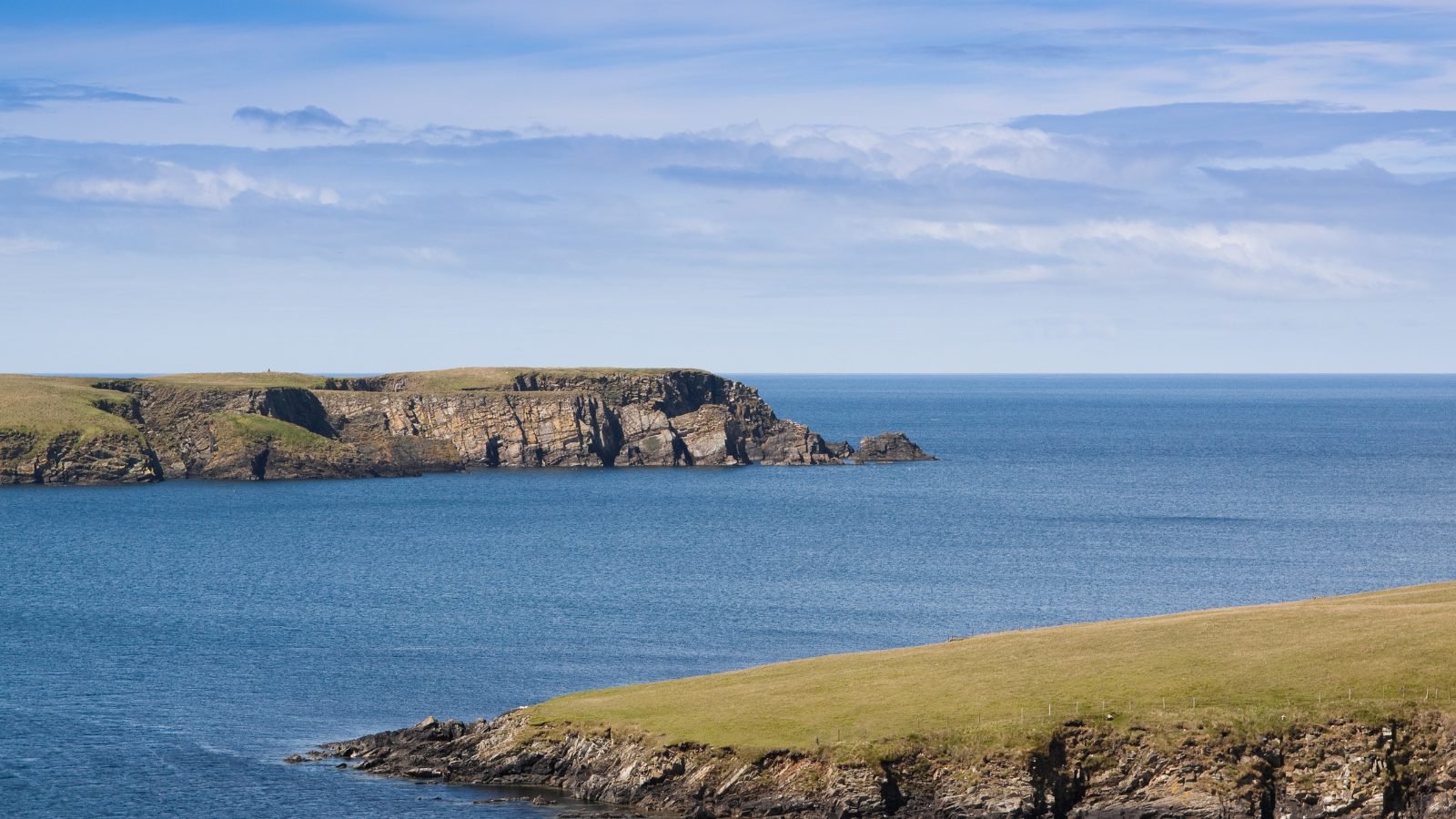
Before Bergen, there was Glasgow. And before Glasgow, there was a schoolgirl who had to fight to learn Spanish, a student in Nice who was steered towards teaching, and a first move to the edge of the world that didn’t go at all as planned: the Shetland Isles.
This article opens a four-part series about my years abroad. Let’s start at the beginning.
Studying English in Nice: the urge to leave
I mention it in my article on giftedness: I started secondary school at the age of eight and a half, which, like any adventure, brought its share of good and bad surprises. For example, when the time came to choose a second foreign language, my Spanish teacher got sceptical and refused to take a pupil who had skipped so many years. My form tutor and the head teacher took me aside and tried to persuade me to join the Italian class instead. Normally, I would have gone along with it without a word, not wanting to make waves. But this mattered too much to me: something about Spanish was calling me. So I turned Italian down (no offence to the Italians), and I was simply told to turn up to the lessons and say nothing. The Spanish teacher only found out my age when she read the introduction forms she had asked us to fill in, date of birth included.
And I picked up the language very quickly.
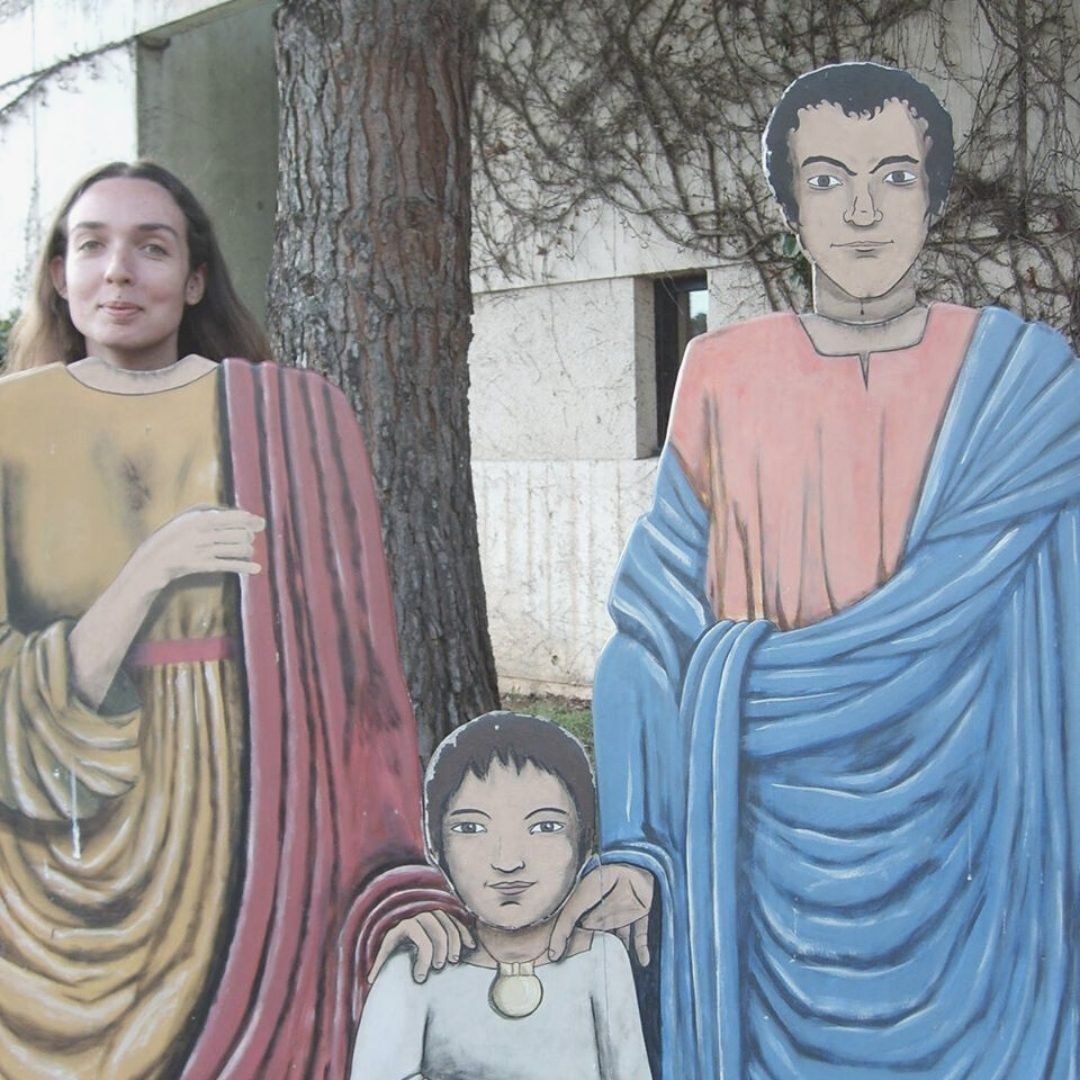
In fact, it was the first foreign language I mastered almost fluently, and for a long time I considered it my second language. Even today, it sounds natural to my ear, even though my English is now stronger and I use it even more often than French.
Then, in upper secondary school, I made a friend who lent me Star Trek films in English. I changed English teachers after four years of being terrified by the same one. I started reading in English: magazines first, then simplified bilingual classics, and finally whole novels. The first novel I read from cover to cover in the original was Stephen King’s Carrie.
Spanish lessons became simpler, while English lessons grew more and more complex, yet easy for me, as my vocabulary expanded and I felt increasingly at ease with the language. In my final year, my school put students of the economics and social sciences section together with our literature section for Spanish. The syllabus was simplified to suit them. I lost my momentum.
After the Baccalaureate, during my year of prépa (an intensive preparatory course for France’s competitive grandes écoles), the Spanish teacher heard me speak once, told me I had a horrible accent and never spoke to me in Spanish again. When, at the end of the year, she asked me why I never took part… well…
So I weighed up my strengths and weaknesses… and enrolled in an English degree at the University of Nice. I was seventeen at the time.
A course geared towards teaching
I joined the LCE (Foreign Languages and Cultures) programme, English option, in 1999, in the second year of the DEUG, the old two-year university diploma. That was during the previous century, as I’m a dinosaur. Course names and qualifications have changed since.
One thing was clear, though: we were already being steered towards the CAPES or the agrégation, France’s competitive teaching exams, rather than towards translation schools or other master’s degrees, vocational or not.
French language assistant: applying without believing it
An experience shared by many students in my department, a real rite of passage, was spending a year abroad as a French language assistant between the third and fourth years of university, usually in the United Kingdom.
Like a good part of my class, I applied.
I didn’t really believe it would happen, since I was below the minimum age when I sent my application.
After the interview, the paperwork and a few weeks of waiting, I received confirmation that I had been offered a post in a remote corner of Scotland: the Shetland Isles.
Shetland: a first move that didn’t go to plan
A posting at the edge of the world
I admit that at the time, it came as a bucket of cold water. I remember a Wednesday evening when my father had come to pick me up by car after my Ancient Egyptian class. We didn’t really talk about it, but it was obvious that I would be going reluctantly. For me, the cost of the journey was simply prohibitive. I had asked for a city so that I could pay for a cheaper plane ticket and rely on a wider network of people.
I considered not going, or asking for my application to be put back in the pile for reallocation, at the risk of not being placed at all.
If I had to live in the countryside, I would rather have been on the mainland, not hours away by ferry off the coast of Scotland.
In the end, I decided to go, telling myself that afterwards, at the end of my contract, I could go straight to Norway, to Bergen.
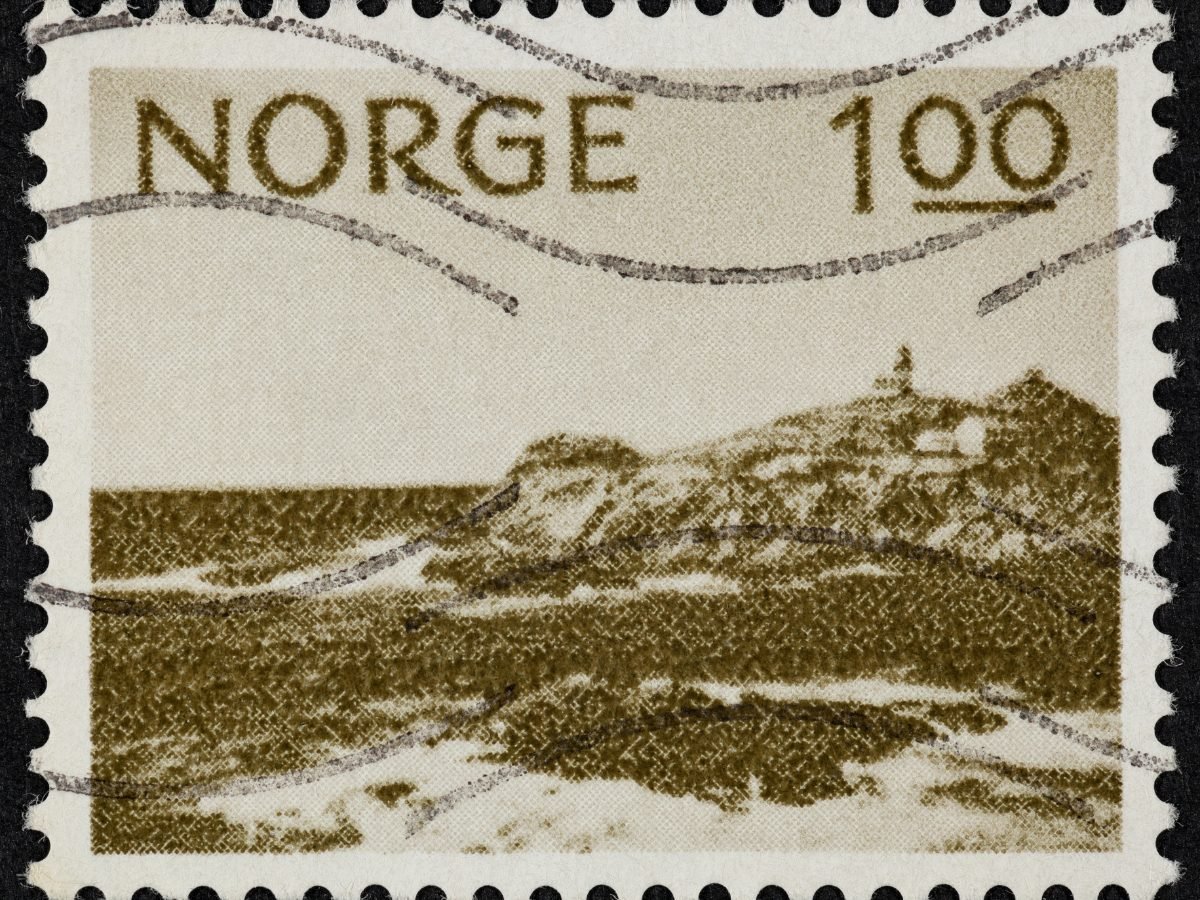
A certain fascination with the country was already smouldering inside me, fed by the stamps marked NORGE that I had filed away in my collection, black metal and a few documentaries I had seen about the Nordic countries.
Wind, isolation and dependence
Honestly, when I landed in Shetland one evening in 2001, after already taking three planes, I immediately felt my stomach tighten.
I didn’t hate it, but one look at the flat, treeless hills was enough to tell me that I would struggle to live, or even survive, in a place so windswept that it was sometimes impossible to walk.
For someone like me, notoriously independent, having to depend on other people all the time to get around went against my nature.
A memory that still annoys me: my landlords “forgot” me in the next town after promising to drive me home.
I think I hitchhiked back when it was already dark.
That said, I discovered a culture new to me, a new language (locals sometimes spoke Shetland dialect to each other, a dialect full of Old Norse words), and dishes that are still among my favourites.
Two jobs and total immersion
The upshot: I found another job on top of teaching once I was there, to pay back the plane ticket, which was outrageously expensive at the time.
Three days a week, I worked at different schools on the island, and the rest of the time I worked as a hotel worker or a cleaner. Some mornings and occasionally on Saturday evenings, I made beds or washed dishes at Herrislea House Hotel, a very colourful establishment in Tingwall.
Lerwick and the decision to go home
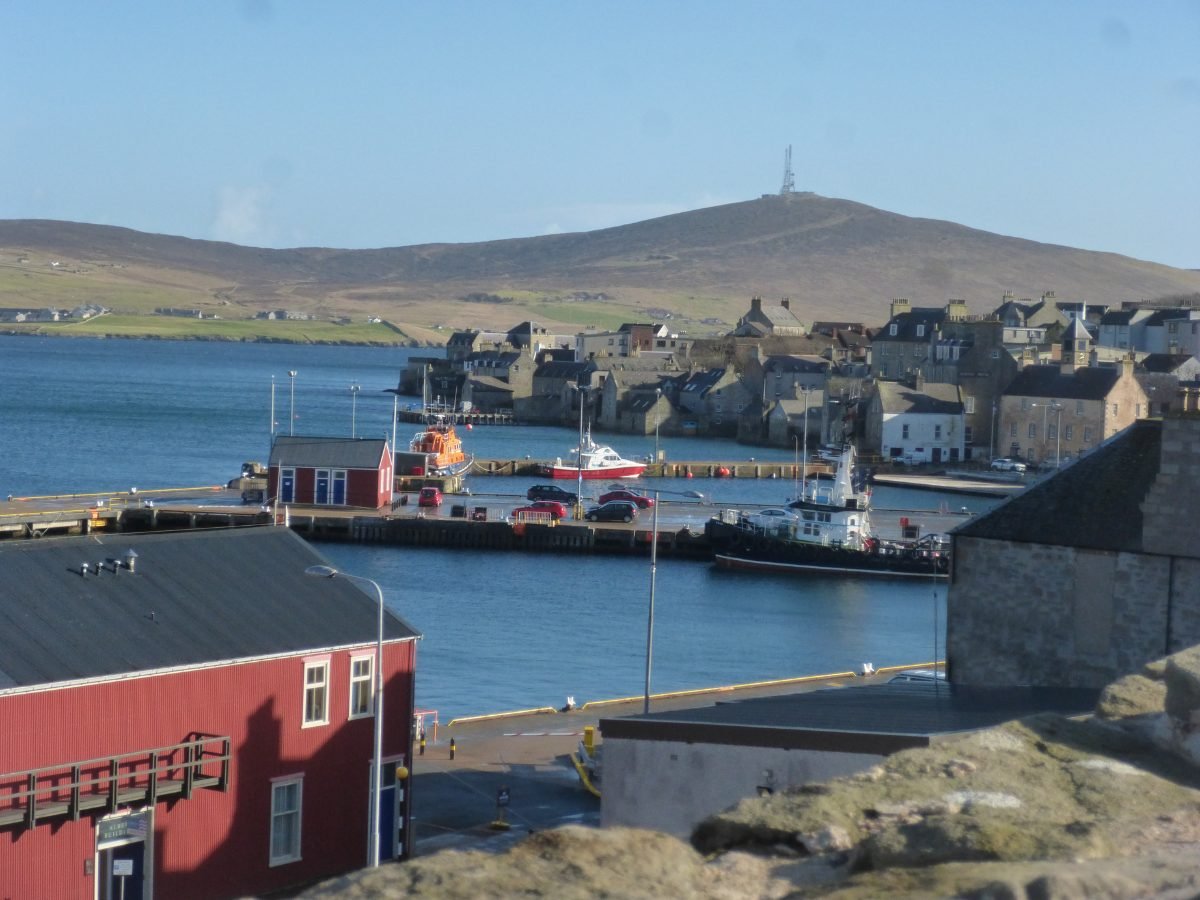
After four months there and a move to the main town (Lerwick, about 7,000 inhabitants), my latest landlady finally managed to sell her house, which had been on the market for several months.
I had a choice between staying somewhere I didn’t really like, with a very limited cultural life, without knowing where to find affordable accommodation… or going back to France and starting a semester of my master’s degree while working on the side.
Between two moves: making a living from languages in France
Postgraduate studies and an art gallery
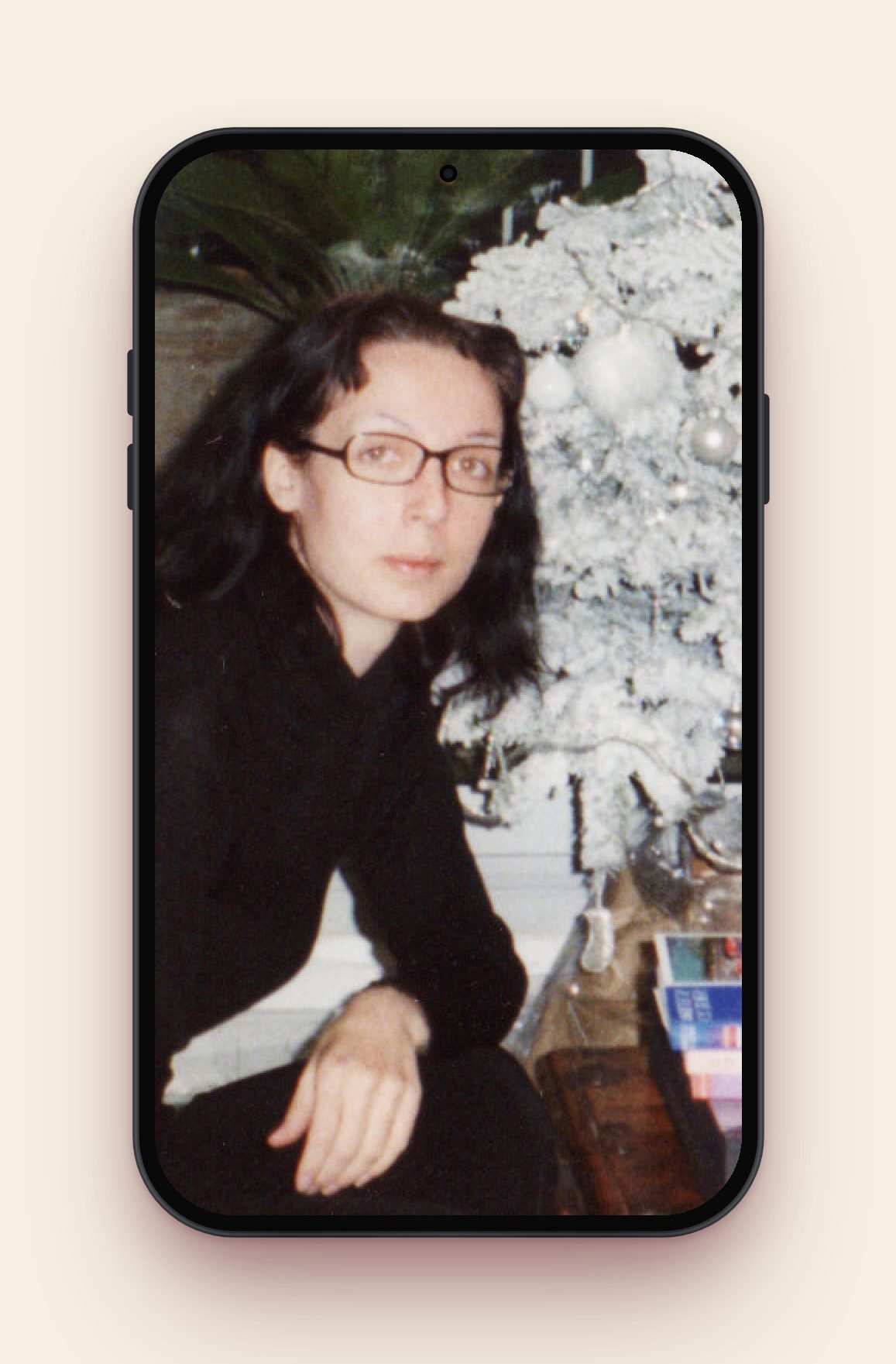
I gave up my plan to wait until summer to go straight from Shetland to Bergen, and chose the second option.
In the end, I came home for Christmas and quickly found a job in an art gallery while studying for my master’s.
Still, not entirely put off, I kept my dreams of Scotland in my head (particularly Glasgow, without knowing why I preferred it to Edinburgh) and possibly of Norway, but I would have to wait several more years.
Tutoring, hotel reception desks and a waiting list
I spent those years completing my maîtrise and then my DEA (French postgraduate degrees, roughly a master’s and a research master’s), teaching languages and, in season, working as a receptionist in various hotels in Nice, a job for which my fluent English was an asset.
Four years later, I re-enrolled at university as an external student so that I could apply to become an assistant again.
What Shetland taught me
Looking back, that failed first move wasn’t such a failure after all. Those four months taught me that I could adapt to a place that didn’t suit me, juggle two jobs and get by in a language that wasn’t my own. Above all, they showed me what I needed to feel at home somewhere: a city, independence and a cultural life.
The urge to head north, however, remained intact.
If you are looking for an English-to-French translator, you will find the details of my work on my translation services page. And if you, too, have experienced a first move abroad that didn’t go as planned, tell me about it on Instagram.
As for me, I was dreaming of Glasgow, without really believing it.
To be continued in the next episode.


Angélique Olivia MoreauLinguist and translator based in Bergen, Norway — building bridges between languages, culture and the way we organise our lives.