My years in Glasgow: concerts, museums and a full Scottish breakfast
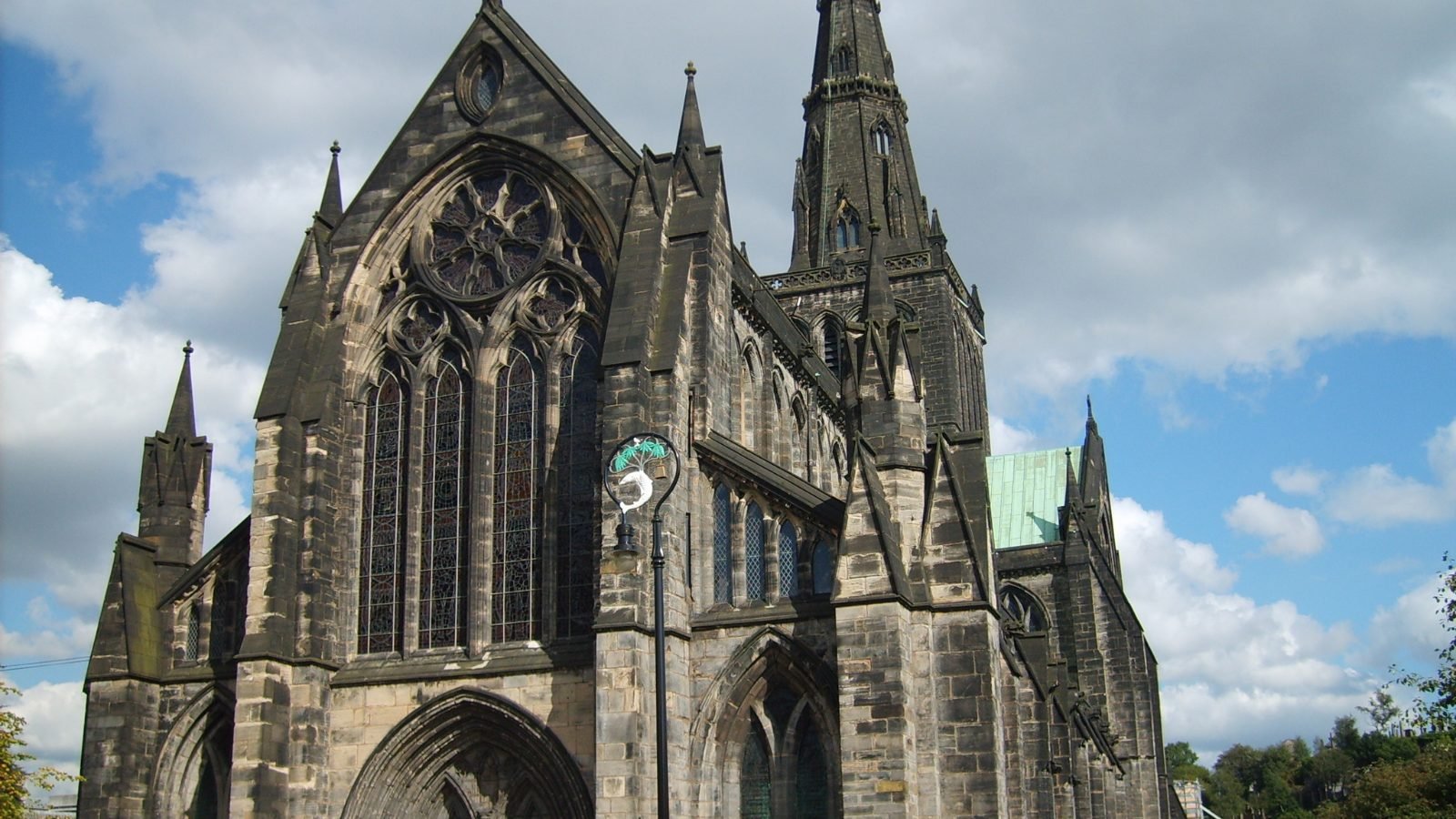
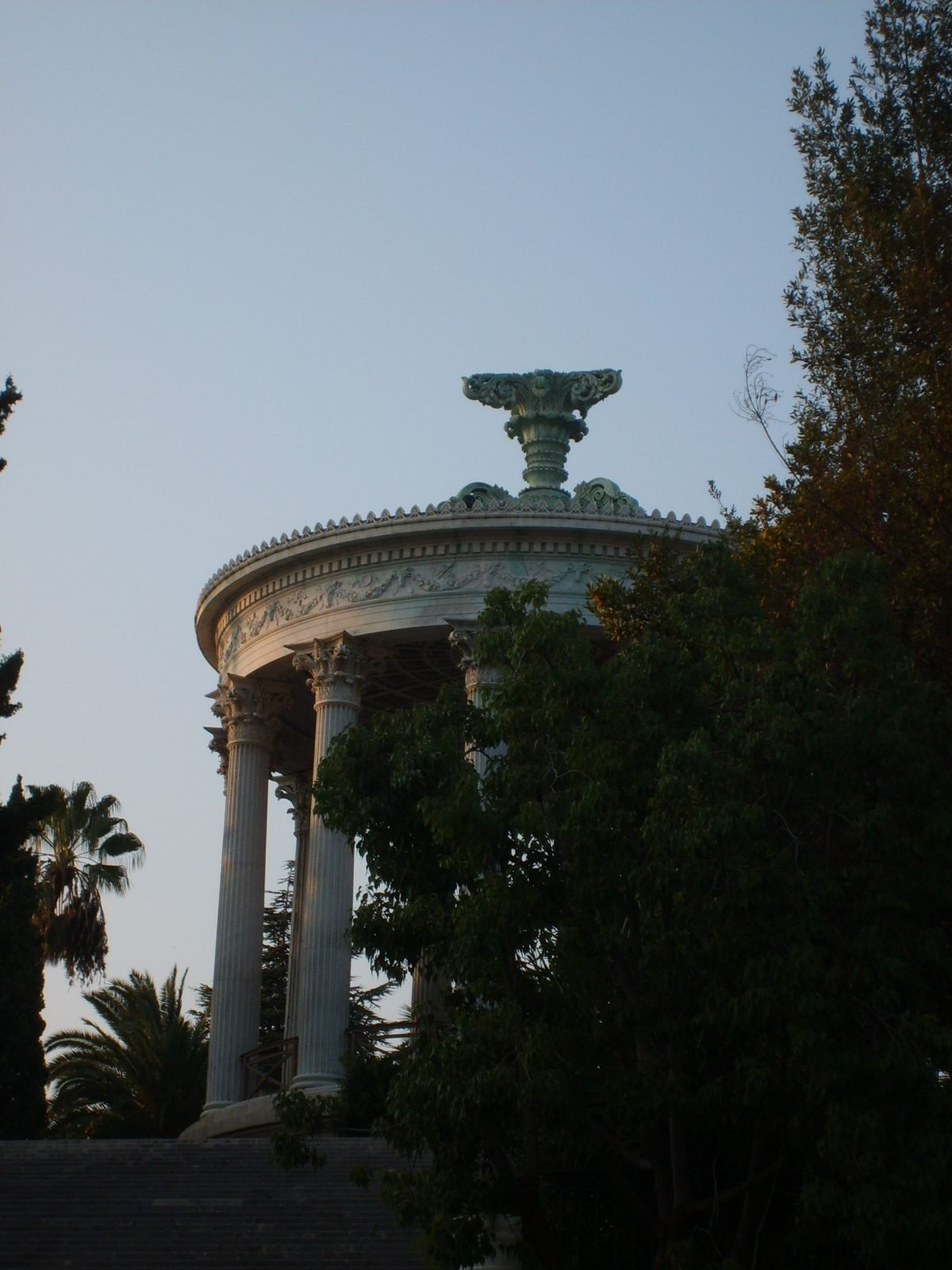
In the first episode of this series, I told you about my move to the Shetland Isles, which didn’t go at all as planned, and then my return to Nice, between postgraduate degrees and odd jobs. I had re-enrolled at university with one goal: to become a language assistant again. And I was dreaming of Glasgow, without really believing it.
This time, the dream came true. Here are my Scottish years: from classrooms to concert halls, from a museum that became my refuge to an unexpected passion for British food.
Glasgow: the city I had dreamed of
A post I no longer hoped for
Once my application was in, I received the reply that I had been wait-listed. In other words, I would only be given a posting once all the other candidates had been placed.
To be honest, by then I had little hope of being chosen, so I was all the more delighted to finally learn that I had been given a post not only in Glasgow, but also in the second-largest school in the city, home to the largest language department in the whole of Scotland.
I jumped for joy and accepted almost straight away, even though it meant ending the relationship I was in at the time. On top of that, I had to leave the network I was starting to build in Nice, as well as a flat I had been renting for over two years in a very quiet neighbourhood, near the lovely Parc Chambrun.
The road to the Highlands
At the end of August 2006, I set foot on Scottish soil for the second time in my life.
Once I had dropped my suitcases in my flatshare in Dennistoun, a rapidly gentrifying area in the East End of Glasgow, I made the most of a few free days before work started to explore the city.
I was instantly won over by the constant buzz of this vibrant city.
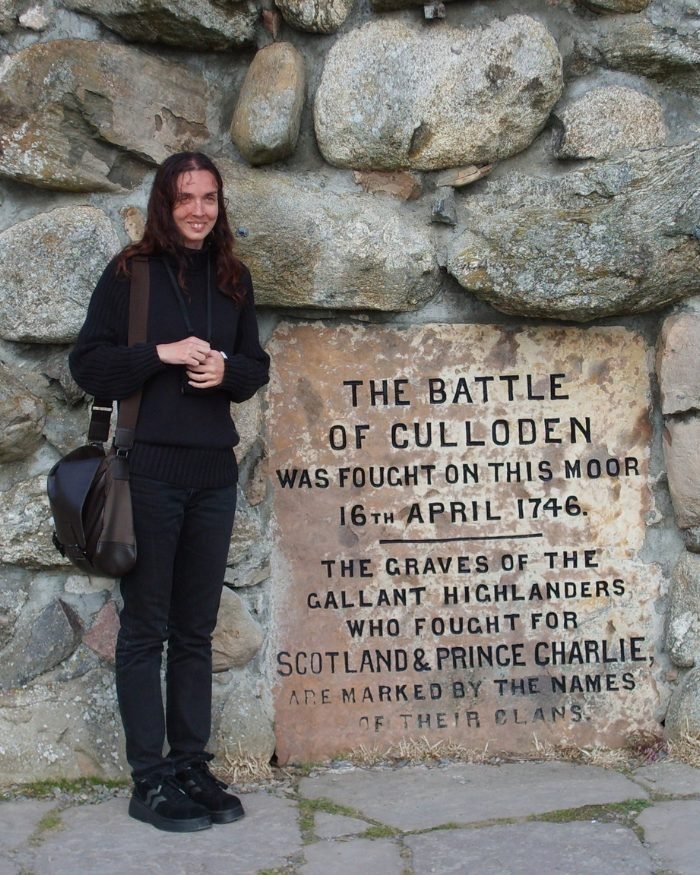
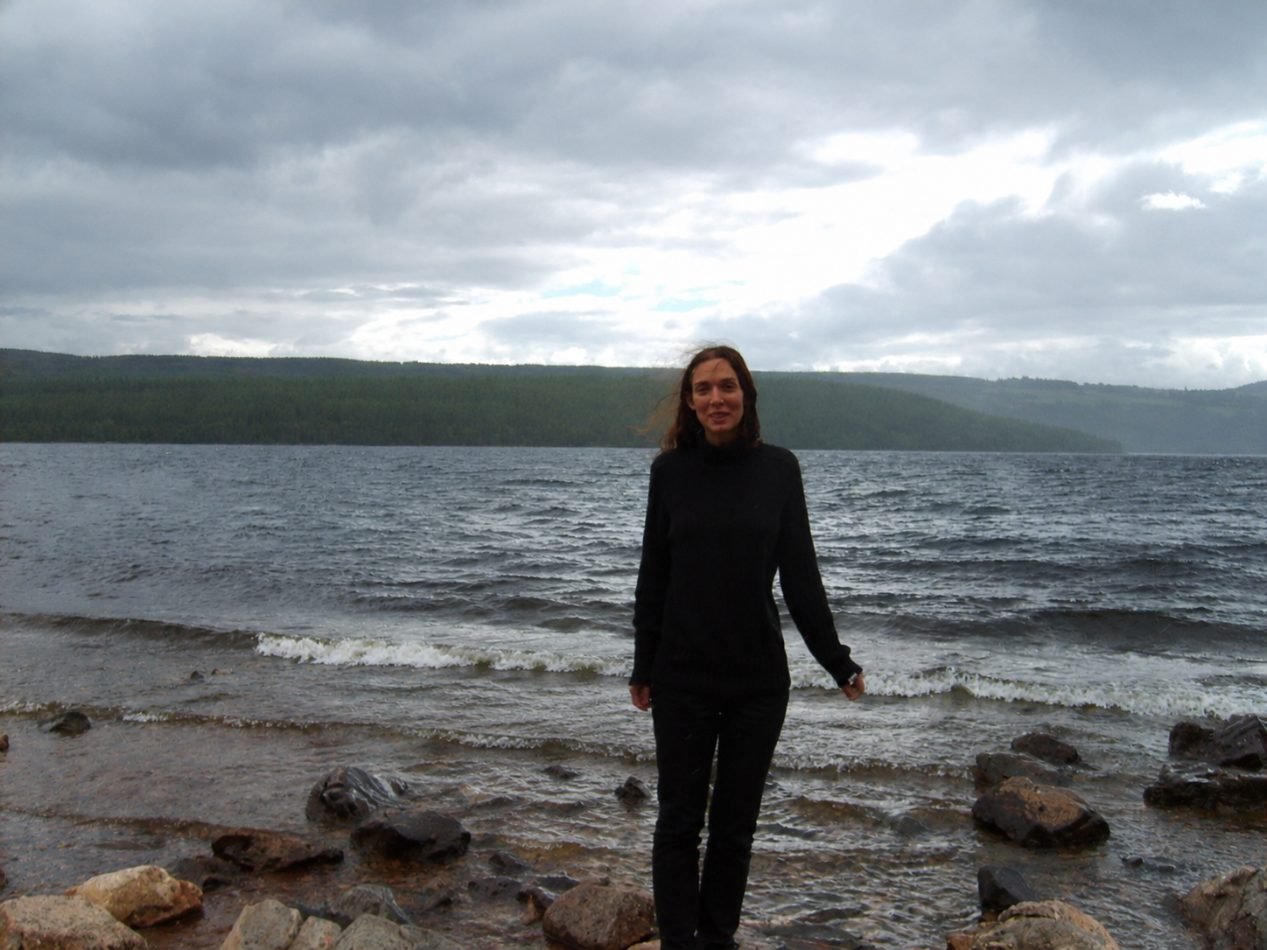
There was a sour note, though: that exciting first week ended, on Sunday 3 September, with a road trip to the Highlands that turned into a tragedy. Coming out of a bend, a driver crashed head-on into our car. While we escaped relatively unscathed, he was not so lucky and died in hospital the next day.
When the body remembers
It was a defining experience for me, because I didn’t know how to deal with the trauma. Caught up in the whirlwind of cultural discoveries in this new city, I threw myself into my work at Shawlands Academy, nights out, gigs, walks and Spanish classes for adults… without really processing the fact that I had come close to death.
The first symptoms of shock appeared a year later, and for several years I found it hard to travel, could no longer bear certain metallic noises and regularly zoned out.
Twenty years later, I would still sometimes break into uncontrollable sweats during which I found myself back on that Highland road, between the wrecks of our two cars, while the other driver screamed in his seat.
I feel better now. I can think back to it without breaking into a cold sweat. Writing a novel whose heroine also escapes into daydreams has proved therapeutic too.
A fascinating assistantship
During those two years, I worked in several schools.
Shawlands Academy: the language centre
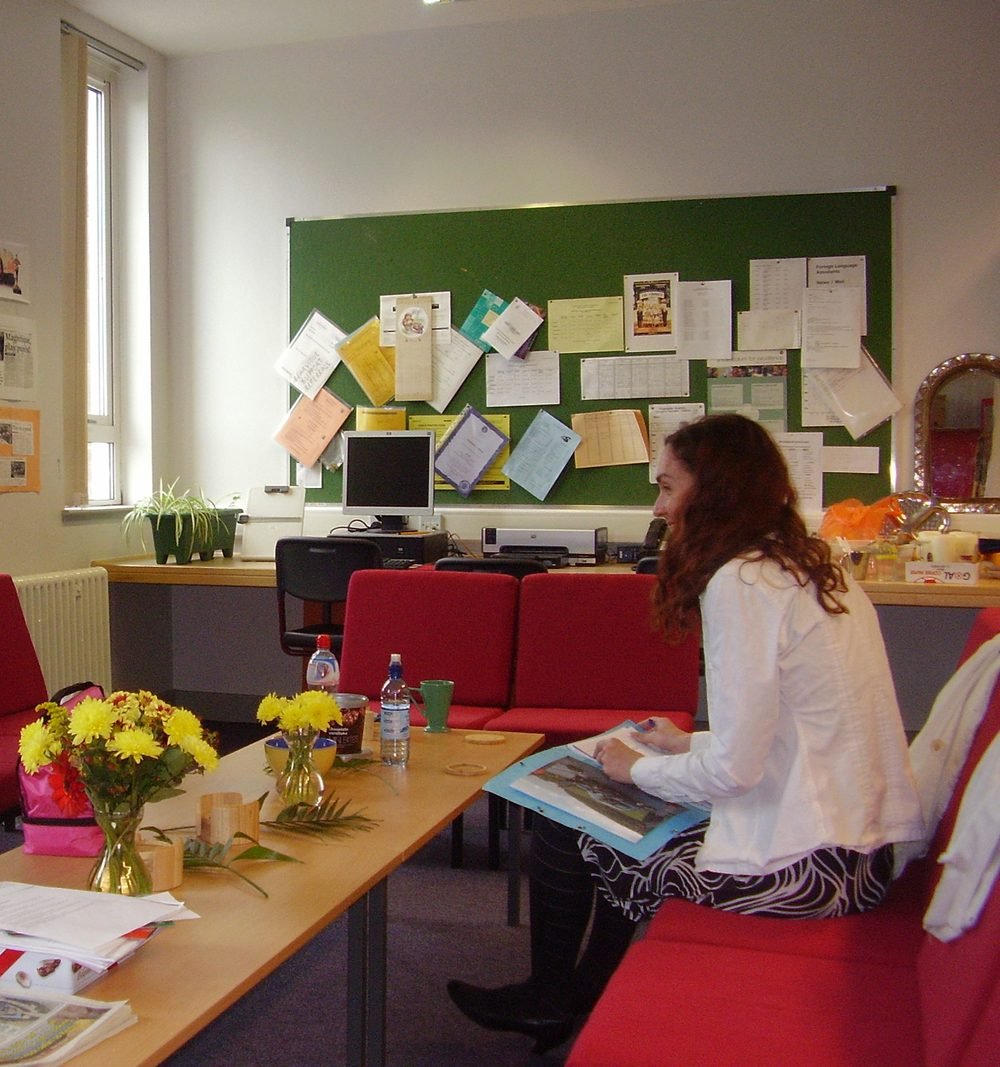
Although this secondary school on the south side of the city wasn’t the biggest in Scotland, it was home to the largest language department in the country, partly because it allowed pupils from immigrant backgrounds to take Urdu classes, and partly because it had a centre for English as an additional language.
At the Academy, I assisted the teachers daily, from S1 all the way up to S6, an optional class that had only two pupils left by the end of the year.
I also had the chance to visit the associated primary school to get to know the beginners’ curriculum.
Finally, a few weeks into my contract, I was offered the chance to record a language course for those primary classes, which had no textbook. With three other French-speaking assistants, I spent two days in a recording studio, voicing dialogues and sentences illustrating grammar points.
I have very fond memories of that experience, which inspired the hushed setting of a recording studio in one of my novels.
Smithycroft Secondary School
In my second year, Smithycroft was a different experience. No more crossing the Clyde five days a week: three days out of five, I took the bus north-east, just a few stops. The primary schools were different too. I remember a school in a prefab building next to a dual carriageway. The noise was deafening.
As the school was right next to Barlinnie, Scotland’s largest prison, the adults often made jabs about the pupils’ future. I found the joke in poor taste.
That year still brought several positives that helped my skills grow.
First, I applied for extra hours. I was given one-to-one English lessons for a French pupil who had recently arrived in Scotland and was waiting for a place at the centre for ESL (English as a second language). She got it after a few weeks of working together.
Then, my head of department entrusted me, on my own, with the only Advanced Higher French pupil the school had ever had. On the syllabus: Simone de Beauvoir’s novel Le Sang des autres. I was extremely proud of my pupil’s progress; she passed her exam with flying colours.
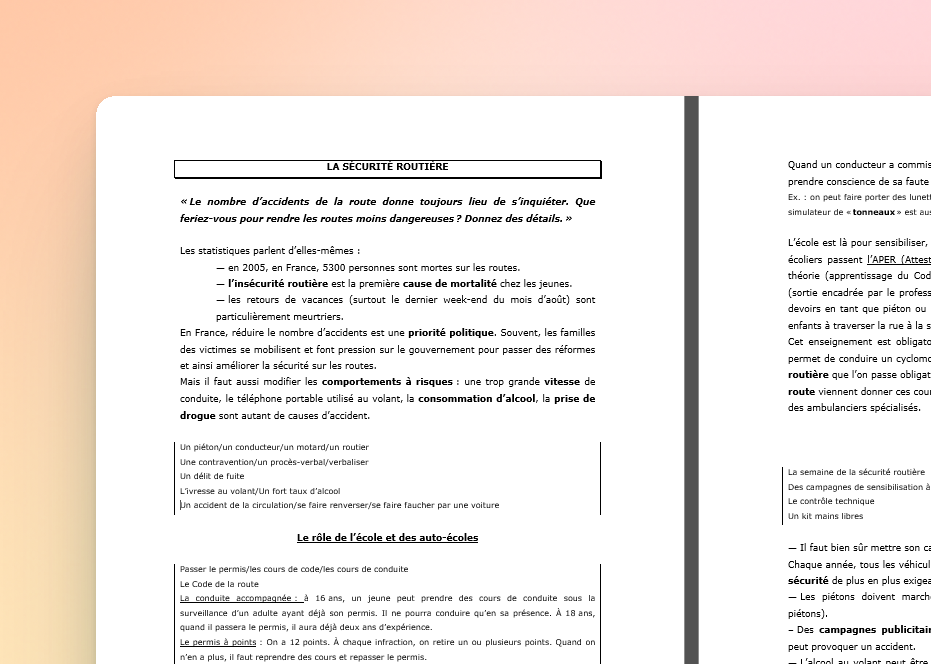
Finally, during the quieter weeks of exam revision, I used the gaps in my timetable to help the librarian update his catalogue for the launch of the Accelerated Reader programme. The idea: pupils read a book, answer questions on the online platform and earn points that move them up the levels. A great way to encourage young people to read… and one more library experience for me.
Glasgow, cultural capital
Theatre and big nights out
Let’s stay positive. During those two Scottish years, my language assistant job paid well. My rent was affordable. I had enough pocket money left at the end of the month to enjoy the cultural life of this ever-buzzing city.
I went to the theatre several times, notably to see The Bacchae, with Alan Cumming.
The metal and goth scene
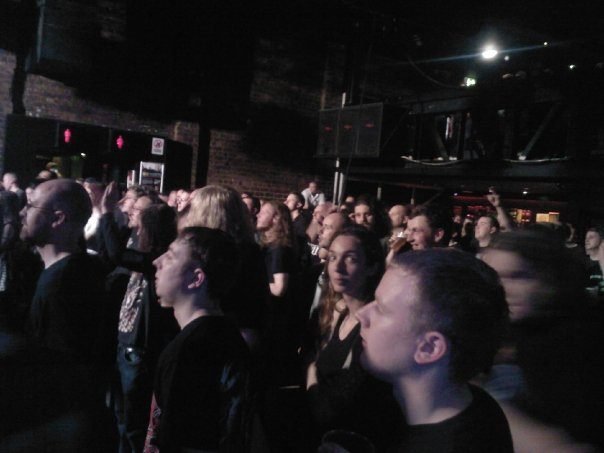
You may have guessed it from old photos: I love music and alternative scenes. In Glasgow, the metal and goth scene was extraordinary, with gigs every week. I saw a whole series of bands, including Amon Amarth, Enslaved, Mayhem, Morbid Angel and Gorgoroth. It was at the Cathouse, a city-centre club and music venue, that I first came across Gaahl, a black metal singer who has since turned to art. Fun fact: I later lived for three years in the region he comes from, so I arrived in Bergen speaking the same dialect as him.
The Burrell Collection, my weekend refuge
It was during my second year that I discovered my favourite museum: the Burrell Collection, set in a park on the south side of the city. For months on end, I went there every weekend. I even applied to become a volunteer guide, something I wasn’t able to do before leaving Glasgow, much to my regret.
To this day, the museum’s book remains one of my most treasured possessions.
British food: a Frenchwoman’s declaration of love
My first lessons in Shetland
It’s rare to hear a Frenchwoman say she enjoys British food, but I’m not lying.
I owe it partly to my second landlady in Shetland, who cooked hearty meals for us every day and taught me how to make dumplings and Yorkshire puddings, which we covered in gravy and ate with steamed vegetables.
The full Scottish breakfast, my weekend ritual
Later, I discovered a real passion for the full Scottish breakfast (minus the square sausage, too artificial in taste and texture for me).
Protein and fat at a weekend brunch keep you going for hours. I’ve kept the habit of eating savoury food in the morning.
A little gourmet tour of Scotland
Haggis, crumble, black pudding, Heinz sticky toffee pudding (in a tin, why not? Sadly, it no longer exists), scones, tattie scones, Christmas pudding with brandy cream, fish dishes, or a nice bottle of Innis & Gunn on a hot summer’s day in Edinburgh…
Tempting, isn’t it?
What Glasgow left me
Glasgow taught me how to teach, how to pass on a language and a culture to pupils who hadn’t always chosen them, and how to find my place in a city that never really sleeps. It also gave me my first experiences in a school library and my encounter with a museum that has stayed with me ever since.
But Norway was still calling me. The bands from the North I cheered on at the Cathouse probably had something to do with it.
If you, too, have been a language assistant abroad, tell me about your experience on Instagram.
In the next episode, I finally take you to Bergen, and behind the scenes of how I learnt Norwegian, all the way to C1 level.
Angélique Olivia MoreauLinguist and translator based in Bergen, Norway — building bridges between languages, culture and the way we organise our lives.