Bergen at last: how I learnt Norwegian up to C1 level
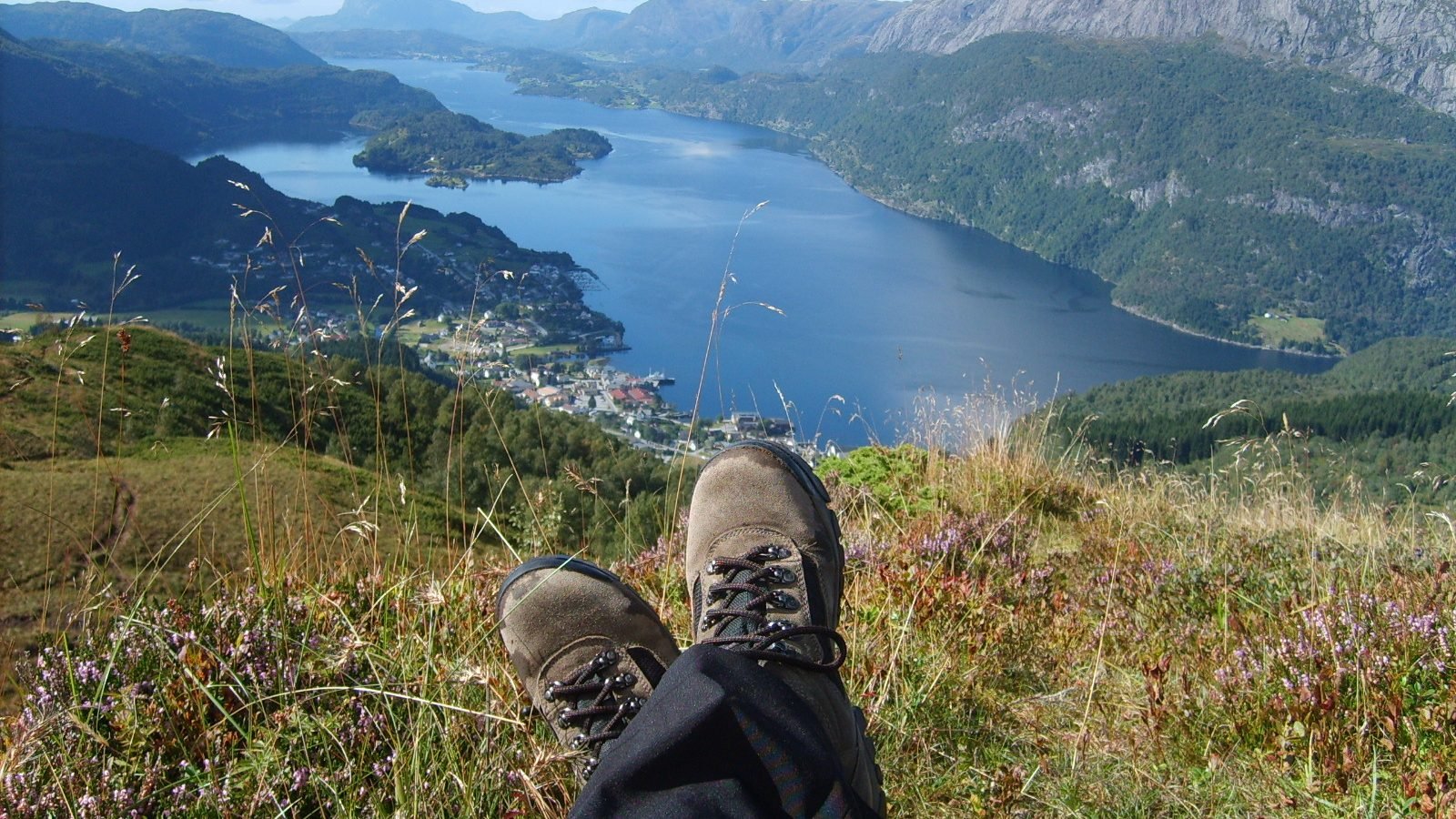
In the first two episodes of this series, I told you about my first move to the Shetland Isles, then my years in Glasgow, between classrooms, concerts and museums. Even in Shetland, though, I had another plan in mind: to move to Bergen at the end of my contract. It would take me almost ten years to settle in Norway, and another three to live in Bergen.
Here is how I finally got there, and how I learnt Norwegian, from evening classes in a village in Sunnfjord to the Bergenstesten, the advanced-level Norwegian exam.
The Shetland dream comes true
I hadn’t forgotten Norway. It was calling me louder and louder.
Why Norway, and why Bergen?
My journey began with Spanish, then carried on in the English-speaking world. So what does Norway have to do with it?
At first, it was the culture that drew me in: a-ha’s songs, the sagas, that rather sing-song Germanic language.
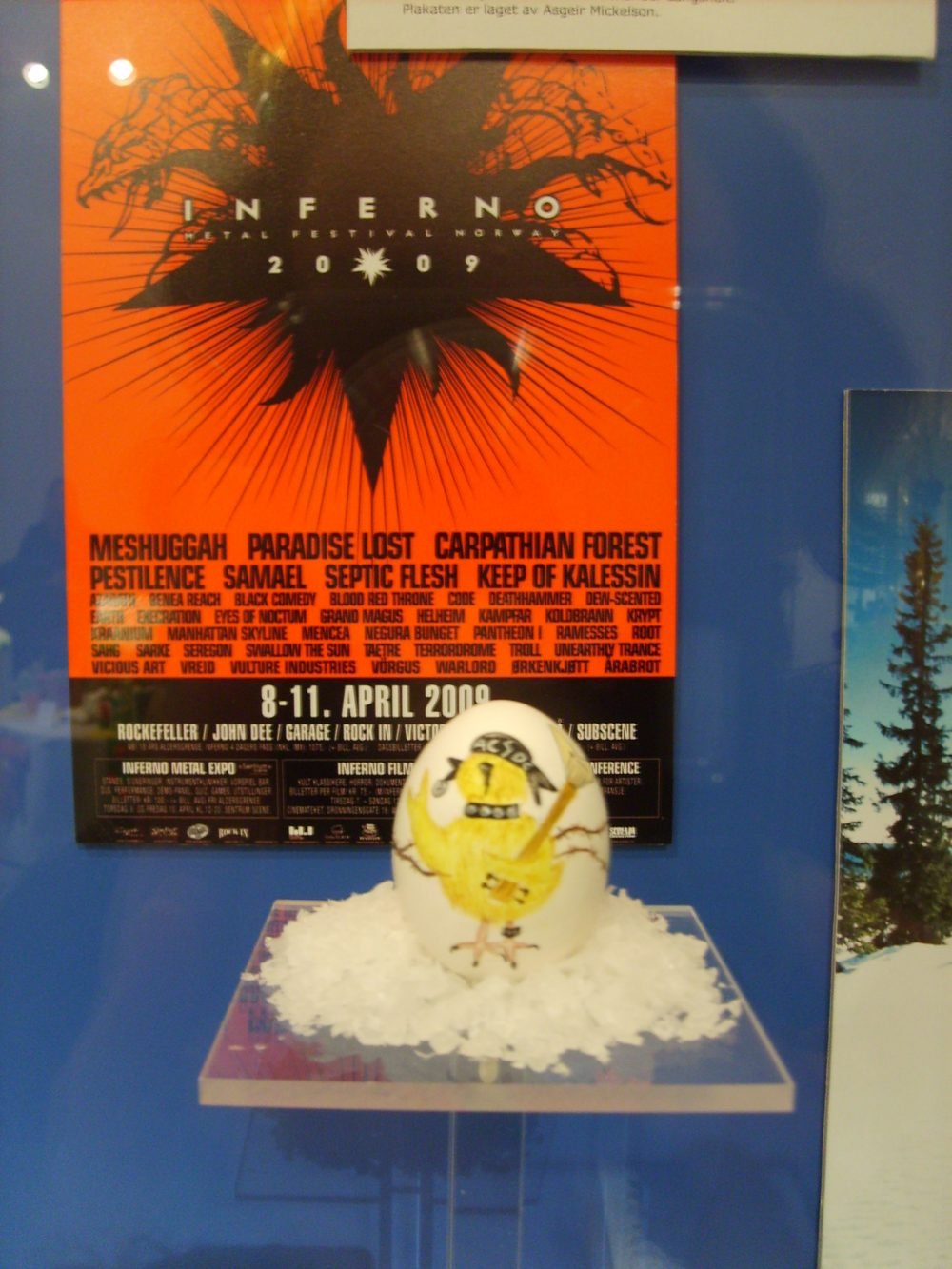
In 2008 and 2009, I made two trips around the Inferno Metal Festival. One of the biggest metal festivals in Europe, it takes place in Oslo every year during Easter week.
The first year, Oslo left me cold: a big, cold city, a language I hadn’t mastered yet, slippery snow. The teaching job I had been offered was only part-time, and the cost of living would have forced me to find at least one other job just to get by.
So I questioned a lot of things, while holding on to my plan: I didn’t want to let it slip away after a single bad experience.
The second year was very different. I first spent a few days in Bergen, lucky enough to enjoy several hours of sunshine. Wandering through its little streets, I fell under the spell of this small city where I now live.
Then I crossed the country by train to Oslo to attend Wardruna’s very first concert, at the Viking Ship Museum in Bygdøy.
The sun shone while I visited the museums. I had a better grasp of the basics of the language. I could see a future for myself in this country.
The first months: starting all over again, once more
My ticket to Norway? A plan I had been nurturing since 2003. While searching online for a way to live in Norway for several months, I had discovered the European Voluntary Service (EVS).
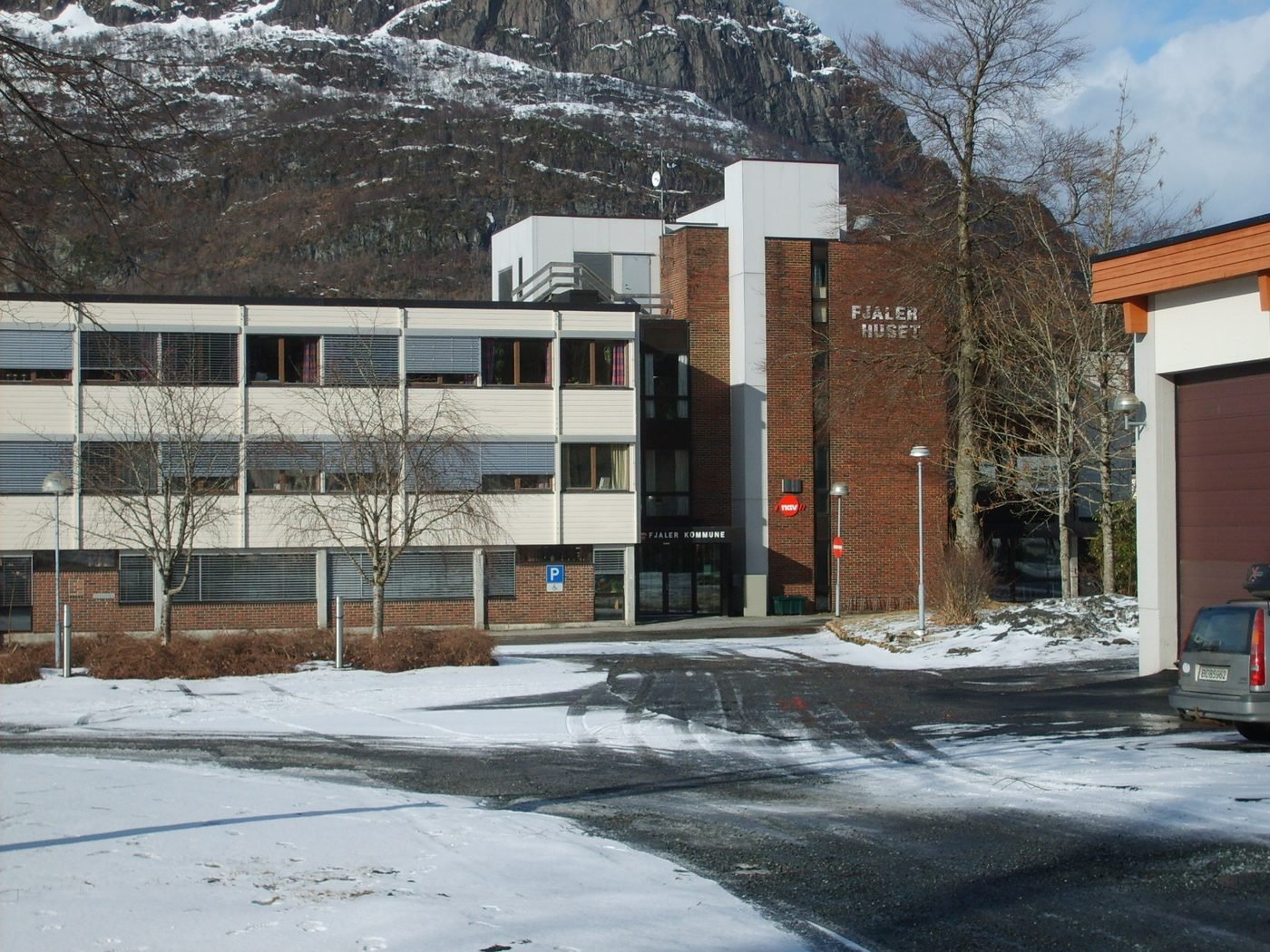
One of the most interesting projects was in Dale i Sunnfjord, in the former county of Sogn og Fjordane, about fifteen kilometres from UWC Red Cross Nordic, one of the most sought-after international schools in the world.
Admittedly, giving several months of your time to local cultural projects meant a financial sacrifice.
On the other hand, it guaranteed total immersion in Norwegian culture, language lessons and a first network.
So in 2010, I flew to Oslo, then on to Førde, about an hour from Dale, on the smallest plane I have ever taken, to start my European Voluntary Service.
Learning Norwegian: from zero to C1
In the interest of honesty, I admit that I am stretching the truth a little for the sake of this heading.
In reality, when I arrived in Norway, I already had a passive command of most A2-level vocabulary and a good part of B1, even B2: the syntax is ultimately very close to English.
As part of my volunteering, I took evening classes every Monday for two and a half months, and spent the rest of my days in near-total immersion, even though I often spoke English to make myself understood.
Early days: Bokmål, Nynorsk and the Dale dialect, then Bergen’s
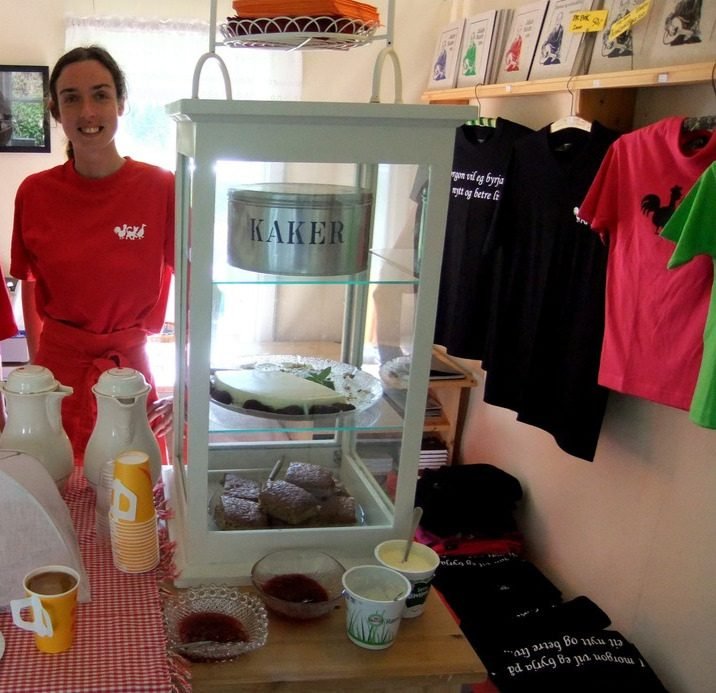
It was during my first months in Dale that the real culture shock hit me head-on: Norway has a multitude of dialects. People often say there are as many ways of speaking Norwegian as there are Norwegians.
In everyday life, even pronouns change from village to village. Even a mountain changes its name depending on which side you are on.
Where “we” is vi on our side of the mountain, it becomes me in the next village.
One advantage, though: once you have learnt a dialect close to Nynorsk (the written standard built from rural dialects), you have no trouble at all understanding people from Oslo, with their clear diction, or even those from Trondheim, with their very particular diphthongs.
Three years later, settling into Bergen went more smoothly, because the dialect there is easier to understand, with a pronunciation of the “r” and a melody that sound very much like French.
The Bergenstesten in 2013
Early 2013 should have been a milestone. I was planning to sit the Bergenstesten, the written exam that certifies an advanced command of Norwegian and is required for university entrance (my plan at the time).
On the programme: reading comprehension, listening questions, a grammar section and an essay.
I narrowly failed the essay, for lack of practice. I had to resit the whole test.
Disappointment… but I didn’t let it get me down. I tracked down past papers, learnt themed vocabulary lists by heart, wrote a good twenty practice essays on all sorts of topics and finally passed the test, at C1 level, at the next session.
As it turned out, I didn’t go back to university after moving to Bergen, so the certificate wasn’t of immediate use. The immediate benefit was the leap my language skills took during those months of revision.
Professionally, it is proof of my command of Norwegian, and with it, of fairly advanced foundations in Danish and Swedish.
Thinking, dreaming and translating in three languages
In daily life, Norwegian is part of my world, even though I spend most of my time at my computer. French and English are my two everyday languages, but I often listen to the radio in Norwegian, I have an app that lets me borrow e-books from my local library, and I check the headlines of Bergens Tidende every single day.
That said, I still make the odd silly mistake.
One of my favourite anecdotes: while browsing the novels available on my library app, I came across a crime novel by the famous Karin Fossum, called Helvetesilden. Tired, I read the title a little too quickly. “The herring from hell”? Intriguing… especially as the cover showed a vehicle that looked like a street-food van.
Rest assured, it was actually hellfire (helvetes ild, not helvetes sild), and the van was a caravan.

Should’ve gone to Specsavers, as they say in Britain.
A language learnt, a life to build
Norwegian became my third working language, and Bergen, my city. But learning a language isn’t enough to live in a country: you also have to earn a living there, face its winters and get used to its food.
If you have a Norwegian text that needs to find its voice in French, you will find the details of my work on my translation services page.
In the final episode of this series, I tell you how I became a translator here, and everything nobody tells you about everyday life in Norway.
Angélique Olivia MoreauLinguist and translator based in Bergen, Norway — building bridges between languages, culture and the way we organise our lives.